
Steel is the backbone of vital infrastructure
Why use steel in infrastructure?
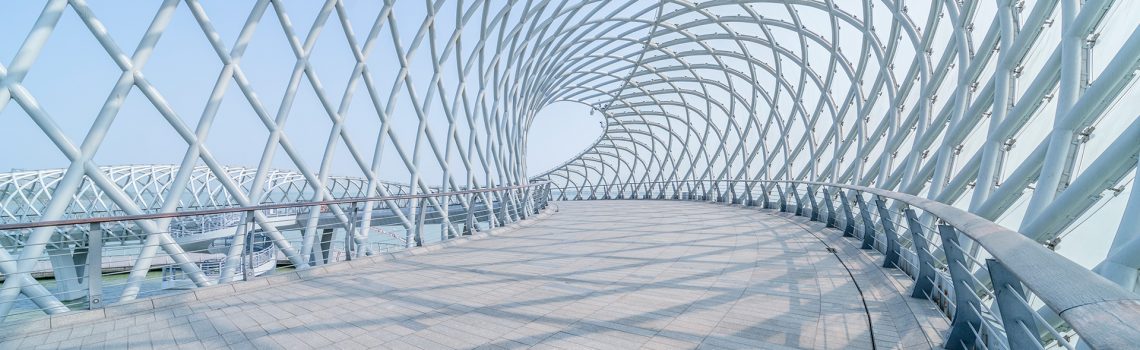
In almost any large scale infrastructure project it is likely that steel will have been involved in its realisation. Steel is utilised globally in the construction of infrastructure, from large and small bridges to tunnels, airports, train stations and car parks. It is a versatile and durable material that provides efficient and sustainable solutions to the unique engineering challenges these projects often represent.
Durable
Steel used in infrastructure can offer high fatigue performance, making it ideal for use in projects where reliability and endurance are key. Steel bridges have a proven life span extending to well over 100 years. Any signs of deterioration are readily apparent, without the need for extensive investigation. Many common problems, such as corrosion, rarely compromise the structural integrity of the bridge and can be swiftly addressed by repainting the affected areas. Sections that do suffer from fatigue can also be fully demounted and replaced, further increasing a bridge’s service life.
Adaptable
A key factor in why steel can feature in such varied and challenging projects is its adaptability. In car parks, for example, steel allows for column-free space where large numbers of cars can be parked. Meanwhile, its flexibility allows floor plans to be arranged to suit the shape of the car park and allow for a much more fluid flow of cars. These qualities also inform its use in train stations and airports, allowing for structures that combine stunning architecture with the functionality to support busy transport systems that may require expansion at a later date.
Efficient
Speed of construction allows disruption to be kept to a minimum, if not completely eliminated. Structural steel components are relatively low in weight, meaning that large sections of infrastructure can be prefabricated offsite, drastically reducing on-site construction time. In some circumstances, complete structures can be moved into position overnight. For large scale infrastructure projects these efficiency gains are vital to help keep costs down and meet strict timetables.
Sustainable
Steel offers a number of sustainability benefits when deployed in infrastructure. It can be used to create energy efficient building envelopes, it has high flexibility in long term use, does not rot or shrink, can be easily extended, adapted and can be completely refurbished, recycled and reused once its initial service life is concluded.
Also, should the need for replacement occur, steel is recoverable and recyclable, with a decent proportion of structural steel either finding its way back into the steelmaking process to create new steel products or being reused, with little or no degradation in performance.
You may also like
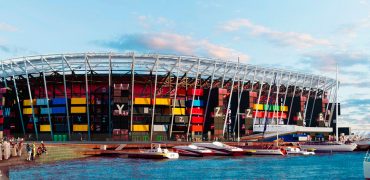
World Cup shipping containers stadium aims for post-2022 legacy
Modified steel shipping containers are being used to construct the Ras Abu Aboud stadium in Qatar for the 2022 Fifa World Cup.

World’s longest suspension bridge will connect Europe and Asia
Scheduled to open in 2023, the Canakkale 1915 bridge will be a steel-built infrastructure first, spanning the Dardanelles strait that separates the European and Asian continents.

The construction innovations powering Crossrail’s ambition
Slated to open some time between October 2020 and March 2021, Crossrail is an ambitious project to develop a new railway – called the Elizabeth line – that represents the largest current infrastructure development in Europe.
worldsteel or any third party contracted to write on worldsteel's behalf shall not be liable nor held responsible for the content of the material published in our website, which is strictly based on the information provided by the companies. The information contained in this website does not imply that worldsteel or any third party contracted by worldsteel has endorsed or approved it, and it reflects solely the views of the company providing the information. worldsteel shall not be held liable for any damages or losses resulting from the access or use of the content published in our website.